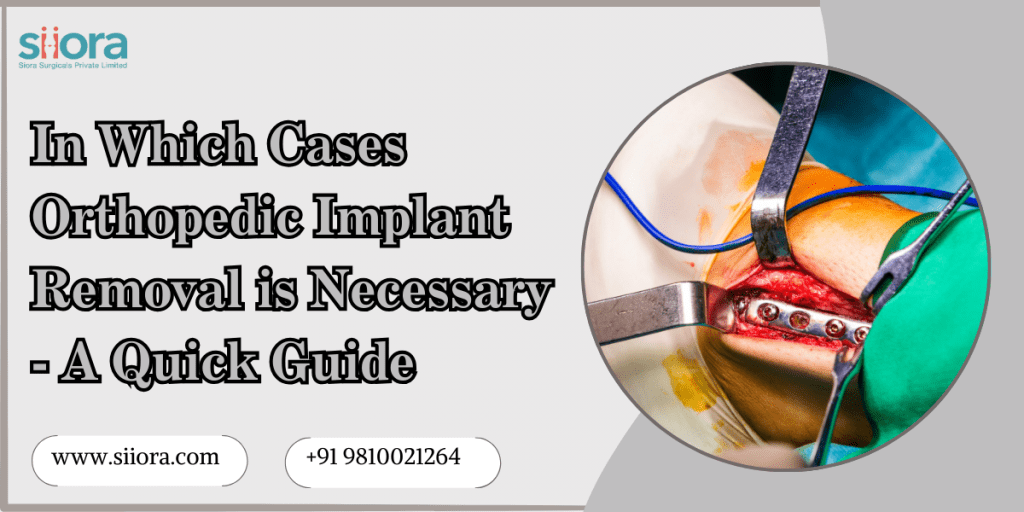
Orthopedic implants are a common solution for various bone and joint injuries. They can help restore function, alleviate pain, and improve quality of life. However, in certain circumstances, implant removal may become necessary. In this post will see some of the situations where orthopedic implant removal might be considered.
Cases Where Orthopedic Implant Removal is Required
Infection
- Persistent Infection: If an implant becomes infected and antibiotics are unable to eradicate the bacteria, removal may be the only option to prevent further complications.
- Chronic Infection: Chronic infections can lead to bone loss, pain, and limited mobility. Removing the implant can sometimes help resolve the infection and improve symptoms.
Implant Failure
- Loose or Broken Implants: Over time, implants can become loose or break due to wear and tear, stress, or manufacturing defects. This can lead to pain, instability, and potential complications.
- Allergies: In rare cases, individuals may develop allergic reactions to the materials used in implants. This may result in inflammation, pain, and tissue damage.
Functional Limitations
- Joint Stiffness: If an implant is causing significant joint stiffness or limiting mobility, removal may be considered to improve function and quality of life.
- Pain: Persistent pain despite treatment can be a sign that the implant is no longer serving its intended purpose. In such cases, removal may be necessary to alleviate discomfort.
End of Life
- Elderly Patients: In some cases, elderly patients with multiple health conditions may decide to have implants removed as part of their end-of-life care. This can reduce the risk of complications associated with implants in older individuals.
Aesthetic Concerns
- Visible Implants: While not a medical necessity, some individuals may opt for implant removal due to aesthetic concerns, particularly if the implant is visible.
Factors to Consider Before Removal
- Risk vs. Benefit: The decision to remove an implant should be carefully weighed against the potential risks and benefits. Factors such as the type of implant, the reason for removal, and the patient’s overall health should be considered.
- Alternative Treatments: In some cases, alternative treatments like revision surgery or medication may be explored before implant removal.
- Potential Complications: Removal surgery can involve risks such as infection, bleeding, and nerve damage. These risks should be discussed with the surgeon before making a decision.
The Removal Process
- Preparation: The surgery typically involves anesthesia to ensure the patient is comfortable during the procedure. The surgeon will make an incision over the implant site.
- Removal: The implant is carefully removed, and any damaged tissue or bone is addressed.
- Closure: The incision is closed with sutures or surgical staples.
Recovery
- Healing: Recovery time varies depending on the type of implant, the complexity of the surgery, and the patient’s overall health.
- Rehabilitation: Physical therapy may be necessary to help restore strength, range of motion, and function.
It’s important to consult with an orthopedic surgeon to determine if implant removal is the right course of action for your specific situation. They can provide personalized advice based on your medical history, symptoms, and the type of implant you have.To learn about newer and improved trauma implants and instruments and meet global industry leaders, register for the 4th Annual Orthopedic Conference.
 What Affects Bone Health?